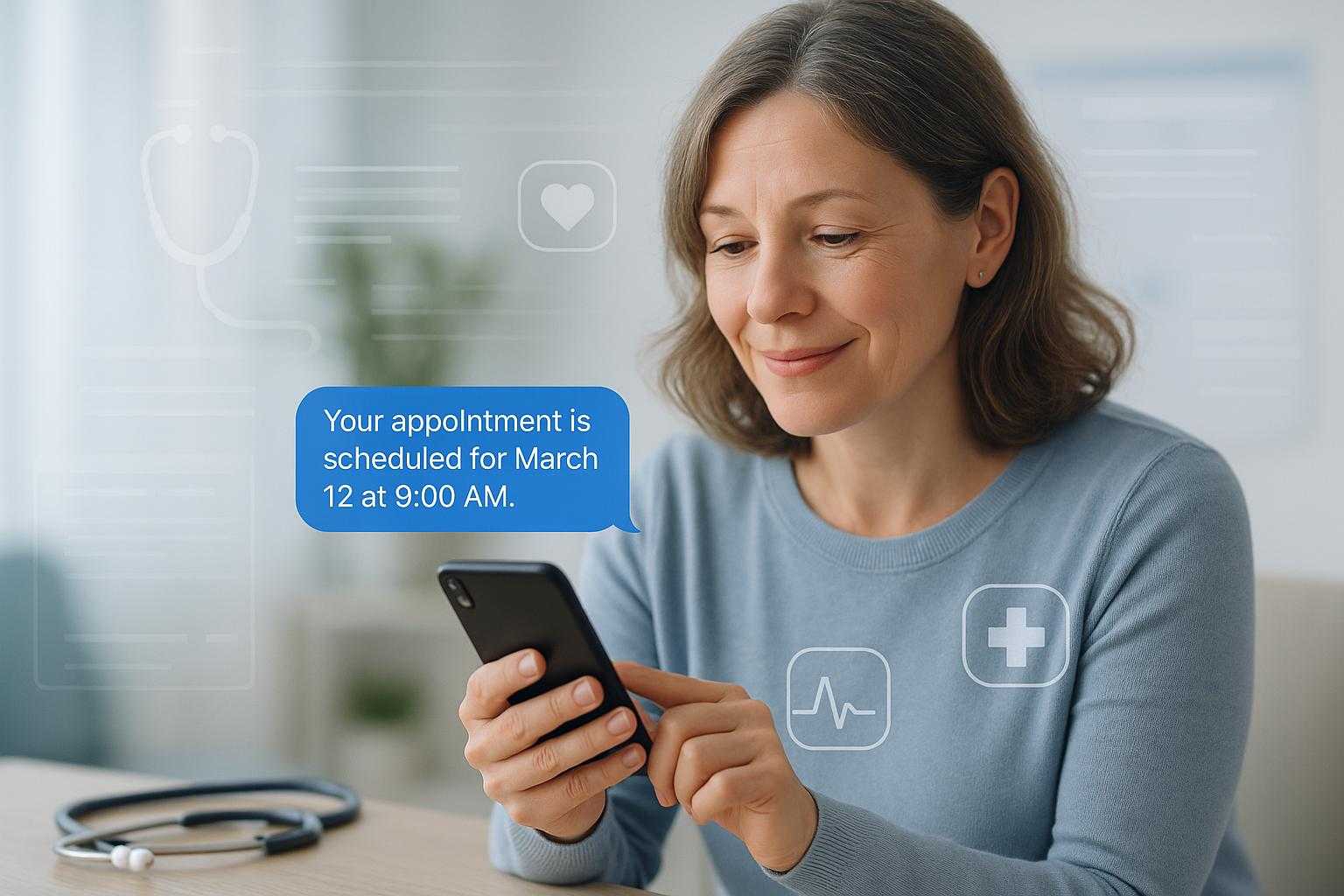

Patient retention is an important indicator of healthcare quality and patient satisfaction. When patients consistently return to the same healthcare provider for ongoing care, organizations benefit from stronger patient relationships, improved health outcomes, and greater operational stability. While many factors influence patient loyalty, effective communication remains one of the most important.
Among the various patient communication strategies available today, appointment reminder services play a critical role in helping healthcare organizations maintain engagement and reduce missed appointments. By ensuring patients stay informed about upcoming visits, healthcare providers can create a more reliable and convenient care experience.
Why Patient Retention Matters
Retaining existing patients is often more efficient than attracting new ones. Patients who have positive experiences with a healthcare provider are more likely to return for preventive care, follow-up appointments, and long-term treatment plans.
Strong patient retention also supports continuity of care. When patients consistently receive care from the same organization, providers have better access to medical histories and can deliver more personalized treatment recommendations.
The Connection Between Reminders and Patient Attendance
One of the most common reasons patients miss appointments is simply forgetting about them. Busy schedules, work obligations, family responsibilities, and unexpected events can make it easy for appointments to be overlooked.
Appointment reminder services help address this challenge by providing timely notifications before scheduled visits. These reminders may be delivered through phone calls, text messages, emails, or other communication channels. By keeping appointments top of mind, healthcare organizations can encourage higher attendance rates and reduce scheduling disruptions.
Improving the Patient Experience
Convenience is an important component of patient satisfaction. Patients appreciate clear communication and easy access to appointment information.
Reminder services help patients prepare for upcoming visits by providing details such as appointment dates, times, locations, and instructions. Some reminder systems also allow patients to confirm, cancel, or request rescheduling, making the scheduling process more flexible and user-friendly.
When patients feel informed and supported throughout their healthcare journey, they are more likely to develop trust in their providers and continue seeking care from the same organization.
Supporting Better Resource Utilization
Missed appointments can create inefficiencies for healthcare organizations. Empty appointment slots may result in lost productivity and underutilized provider schedules.
By reducing no-show rates, appointment reminder services help healthcare providers make better use of available resources. Consistent attendance allows organizations to optimize scheduling workflows while improving access for patients who need care.
Strengthening Long-Term Patient Relationships
Regular communication helps healthcare organizations maintain meaningful connections with patients. Appointment reminders serve as more than simple notifications; they represent ongoing engagement between patients and providers.
Patients who receive timely updates and reminders often perceive healthcare organizations as organized, responsive, and committed to delivering quality care. These positive impressions contribute to stronger patient loyalty and long-term retention.
Looking Ahead
As healthcare organizations continue to focus on patient-centered care, effective communication strategies will remain essential. Appointment reminder services provide a practical way to improve attendance, enhance patient satisfaction, and support stronger patient relationships.
Many organizations are incorporating appointment reminders into broader patient engagement initiatives designed to improve access, streamline communication, and deliver a better overall care experience. These efforts are increasingly supported through healthcare contact center services that help providers maintain consistent and efficient interactions with patients throughout the care journey.






