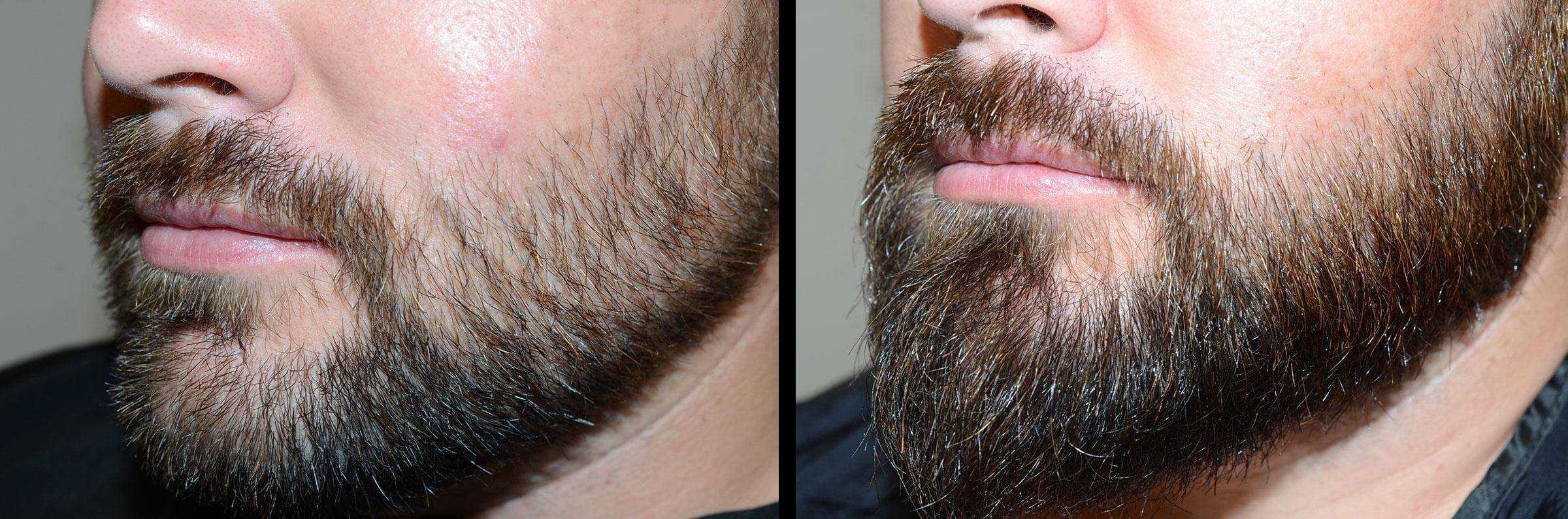

Hair transplant correction is an advanced procedure designed to fix unsatisfactory or poorly performed hair transplant results. While modern hair transplant techniques are highly effective, not every procedure delivers the expected outcome. Some patients may face issues such as an unnatural hairline, patchy density, visible scarring, or poor graft placement. In such cases, corrective hair transplant surgery helps improve appearance and restore a more natural, balanced look.
Hair transplant correction is not just about adding more hairit is about repairing previous mistakes and improving the overall aesthetic design of the scalp. It requires a highly skilled and experienced hair specialist because correction cases are often more complex than the original transplant.
Why Hair Transplant Correction is Needed
There are several reasons why a person may need hair transplant correction:
One of the most common issues is an unnatural hairline design. If the hairline is placed too low, too straight, or not age-appropriate, it can look artificial. Another issue is uneven or low density, where some areas have more grafts than others, creating a patchy appearance.
Some patients may also experience visible scarring, especially from older techniques like FUT (strip method). In some cases, grafts may be placed in the wrong direction, making the hair look unnatural or pluggy.
Sometimes, the donor area is over-harvested, leading to thinning at the back of the scalp. All these issues can significantly affect confidence and appearance, making corrective treatment necessary.
How Hair Transplant Correction Works
Hair transplant correction begins with a detailed consultation and scalp analysis. The specialist evaluates the previous transplant, donor area availability, and current hair condition. Based on this assessment, a customized correction plan is created.
If the hairline is unnatural, it may be redesigned using advanced techniques to create a softer, more natural appearance. If density is low, additional grafts may be implanted in sparse areas to improve fullness.
In some cases, misplaced grafts may need to be removed or redistributed. For scarring issues, specialized procedures like scar camouflage or graft placement into scar tissue may be used to improve appearance.
Modern techniques such as FUE (Follicular Unit Extraction) are commonly used in corrective procedures because they are precise, minimally invasive, and provide natural results. Skilled placement of grafts ensures that hair grows in the correct direction and blends seamlessly with existing hair.
Techniques Used in Hair Transplant Correction
Several techniques may be used depending on the patients condition:
1. FUE Hair Transplant Correction
This method involves extracting individual hair follicles and implanting them into areas that need improvement. It allows precise control over density and direction.
2. Hairline Redesign
For patients with unnatural hairlines, specialists redesign the hairline to match facial structure and age, creating a more realistic appearance.
3. Scar Revision and Camouflage
For patients with visible scars from previous surgery, grafts can be implanted into scar tissue to reduce visibility and improve scalp aesthetics.
4. Density Improvement
Additional grafts are added to thin or patchy areas to create a fuller and more even look.
Who Needs Hair Transplant Correction?
Hair transplant correction is suitable for individuals who are unhappy with their previous transplant results. It is commonly recommended for people who have:
- An unnatural or poorly designed hairline
- Low or uneven hair density
- Visible scars from previous surgery
- Poor graft placement or direction
- Over-harvested donor area
- Plug-like or outdated transplant appearance
If any of these issues affect confidence or appearance, corrective treatment can help restore a more natural look.
Benefits of Hair Transplant Correction
Hair transplant correction offers several important benefits. The most significant advantage is improved appearance. A well-performed correction can transform an unnatural result into a natural-looking hairline and balanced density.
It also helps restore confidence. Many patients feel self-conscious after a failed transplant, and correction surgery can significantly improve self-esteem.
Another benefit is long-term results. Once corrected properly, the transplanted hair is permanent and continues to grow naturally. Advanced techniques also ensure minimal scarring and faster recovery compared to older methods.
Recovery After Hair Transplant Correction
Recovery after correction surgery is similar to a standard hair transplant. Mild swelling, redness, or scabbing may occur for a few days. Most patients can return to normal activities within a week.
New hair growth usually begins within 3 to 4 months, and full results are visible in 8 to 12 months. Following post-care instructions is very important for achieving the best outcome. This may include avoiding direct sunlight, not scratching the scalp, and using prescribed medications.
Conclusion
Hair transplant correction is a highly specialized procedure that helps fix poor or unnatural hair transplant results. It focuses on improving hairline design, increasing density, and correcting previous surgical errors. With advanced techniques like FUE and expert planning, patients can achieve natural-looking and long-lasting results.