
Choosing the right heavy duty truck parts in the UAE is important because trucks in the region operate under extreme conditions such as high temperatures, long-distance transportation, heavy loads, and dusty environments.
Heavy duty trucks are widely used across:
- logistics,
- construction,
- transportation,
- oil gas,
- mining,
- and industrial sectors in the UAE.
Because these vehicles operate continuously under pressure, poor-quality truck parts can quickly lead to:
- breakdowns,
- engine failures,
- costly downtime,
- and expensive maintenance.
Many truck owners and fleet operators make the mistake of choosing parts only based on low pricing. That approach usually creates larger expenses later through repeated repairs and operational delays.
The smarter approach is choosing heavy duty truck parts based on:
- quality,
- compatibility,
- durability,
- supplier reliability,
- and long-term performance.
Heres how to choose the right heavy duty truck parts in the UAE properly.
Why Is Choosing the Right Truck Parts Important?
Heavy duty trucks operate under much harsher conditions than regular passenger vehicles.
In the UAE, trucks often face:
- extreme desert heat,
- long highway travel,
- overloaded transportation,
- and continuous operation.
Poor-quality parts may fail much faster under these conditions.
This can affect:
- engine performance,
- fuel efficiency,
- safety,
- and operational reliability.
A single low-quality component can sometimes damage connected systems and create much larger repair costs.
Thats why part selection directly affects business profitability and vehicle lifespan.
Should You Choose OEM or Aftermarket Truck Parts?
This depends on your budget, vehicle usage, and operational priorities.
OEM Truck Parts
OEM parts are:
- original manufacturer-approved components,
- highly compatible,
- and generally more expensive.
These are often preferred for:
- critical engine systems,
- electronic components,
- and warranty-sensitive repairs.
OEM parts usually offer:
- strong reliability,
- precise fitment,
- and manufacturer standards.
Aftermarket Truck Parts
Good aftermarket truck parts can provide:
- lower pricing,
- wider availability,
- and cost-effective maintenance solutions.
Many commercial fleet operators use aftermarket parts successfully.
However, quality varies significantly between manufacturers.
The key difference is:
- premium aftermarket parts,
- versus low-grade cheap copies.
The cheapest aftermarket product is rarely the smartest choice.
How Can You Verify Part Compatibility?
Compatibility is one of the most important factors.
Wrong truck parts can create:
- installation issues,
- poor performance,
- and mechanical damage.
Before purchasing, verify:
- part number,
- chassis number,
- VIN number,
- and truck model specifications.
Heavy duty trucks often have multiple variants, and small specification differences matter.
Professional suppliers should verify compatibility carefully before selling parts.
Why Is Product Quality Important for Heavy Duty Trucks?
Heavy duty trucks place constant stress on:
- engines,
- suspension,
- braking systems,
- cooling systems,
- and transmission components.
Low-quality truck parts may:
- wear out quickly,
- crack under pressure,
- overheat,
- or fail during operation.
This becomes dangerous, especially for:
- brake systems,
- steering components,
- suspension parts,
- and engine components.
High-quality truck parts improve:
- durability,
- safety,
- fuel efficiency,
- and long-term maintenance costs.
What Truck Parts Need Extra Attention?
Some truck parts directly affect safety and operational stability.
These include:
Brake Components
Poor brake quality creates major safety risks.
Always prioritize quality for:
- brake pads,
- brake discs,
- air brake systems,
- and brake chambers.
Engine Parts
Engine components should match:
- heat resistance,
- pressure requirements,
- and manufacturer specifications.
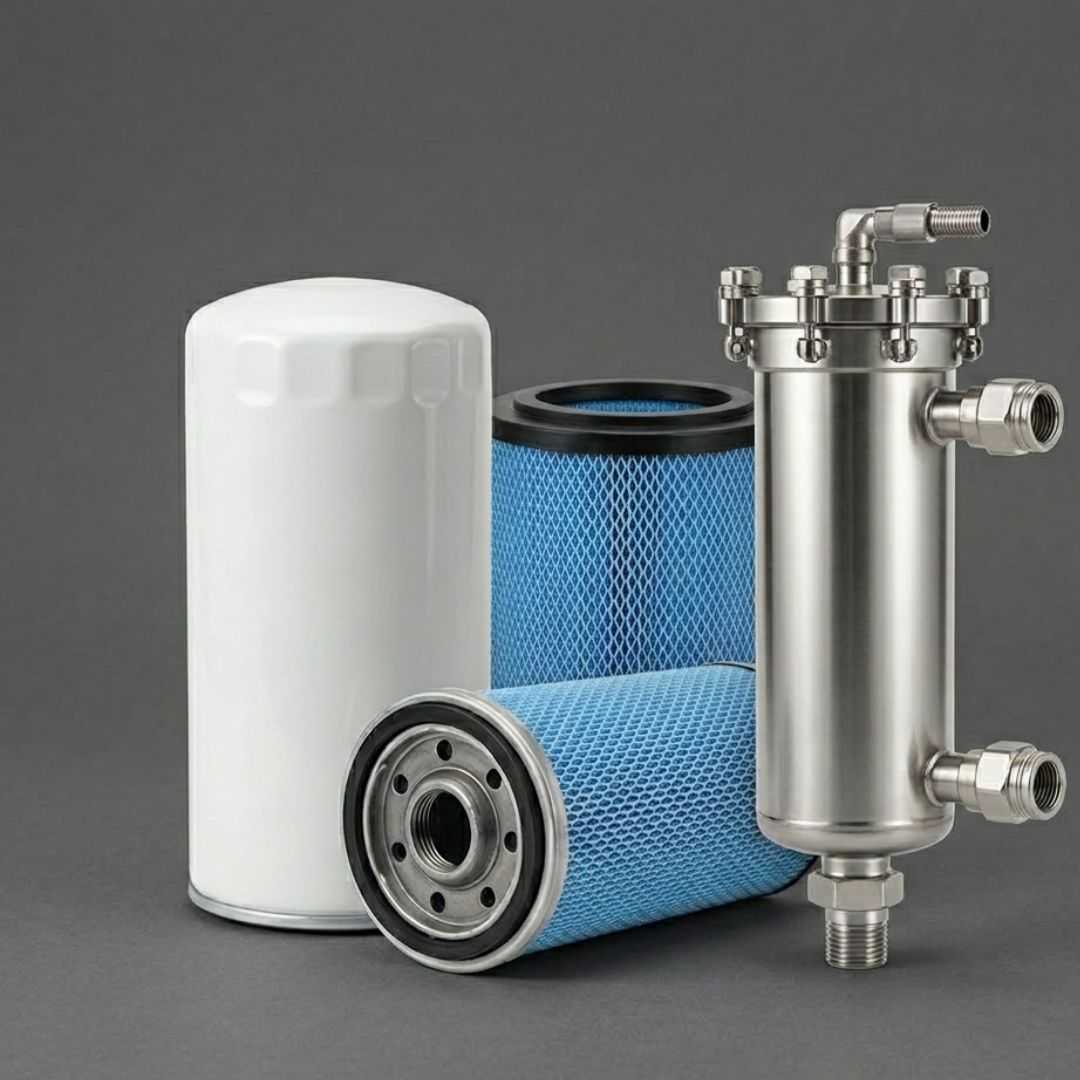
Filters
Air filters, oil filters, and fuel filters are critical in UAE conditions because of:
- dust,
- sand,
- and extreme temperatures.
Low-quality filters reduce engine life significantly.
Suspension Parts
Heavy loads place strong pressure on:
- suspension systems,
- shock absorbers,
- and leaf springs.
Durability matters heavily here.
How Important Is Supplier Selection?
Even good products become risky if the supplier is unreliable.
A professional truck parts supplier should provide:
- genuine products,
- technical support,
- inventory availability,
- and reliable delivery.
Before choosing a supplier, check:
- market reputation,
- customer reviews,
- inventory range,
- and industry experience.
A weak supplier often creates:
- delayed shipments,
- wrong parts,
- inconsistent quality,
- and poor communication.
Should You Focus Only on Cheap Pricing?
No.
This is one of the biggest mistakes in the heavy-duty vehicle industry.
Cheap truck parts often compromise:
- material quality,
- durability,
- and performance.
The initial savings may look attractive, but repeated failures eventually cost much more through:
- downtime,
- labor costs,
- and vehicle breakdowns.
The smarter approach is evaluating:
- total operating cost,
- not just purchase price.
A better-quality part that lasts longer is usually more profitable over time.
Why Is UAE Climate Important While Choosing Truck Parts?
The UAE climate is extremely demanding on heavy-duty vehicles.
High temperatures can affect:
- rubber components,
- cooling systems,
- lubricants,
- and engine efficiency.
Dust and sand also increase wear on:
- filters,
- radiators,
- and moving components.
Truck parts used in the UAE should be suitable for:
- high heat,
- dusty environments,
- and long operational hours.
Not all imported products are designed for Gulf conditions.
This matters more than many buyers realize.
How Can You Avoid Counterfeit Truck Parts?
Counterfeit spare parts are a major issue globally.
Fake truck parts may look similar externally but use:
- weaker metals,
- poor rubber quality,
- inferior manufacturing,
- or unsafe materials.
To reduce risk:
- buy from trusted suppliers,
- verify packaging,
- inspect branding consistency,
- and request warranty support.
Extremely cheap pricing is often a warning sign.
Professional suppliers usually provide:
- invoices,
- product specifications,
- and proper documentation.
Why Does Inventory Availability Matter?
Truck downtime costs money.
A supplier with poor stock availability can delay:
- repairs,
- fleet operations,
- and transportation schedules.
Strong suppliers usually maintain:
- broader inventories,
- fast dispatch systems,
- and access to hard-to-find parts.
This becomes especially important for:
- fleet operators,
- logistics companies,
- and construction businesses.
What Are Common Mistakes Buyers Make?
Several mistakes repeatedly create expensive problems.
Choosing Parts Only by Price
Cheap products often fail early.
Ignoring Compatibility Checks
Incorrect fitment creates operational issues.
Buying From Unverified Suppliers
This increases counterfeit risk.
Ignoring Climate Suitability
Not all parts perform well in Gulf conditions.
Delaying Preventive Replacement
Waiting until parts fail completely often increases repair costs.
How Can Businesses Reduce Long-Term Maintenance Costs?
The smartest fleet operators focus on preventive maintenance.
This includes:
- using quality truck parts,
- replacing filters regularly,
- monitoring wear components,
- and maintaining service schedules.
Good-quality components usually reduce:
- breakdown frequency,
- fuel wastage,
- and emergency repairs.
Long-term operational efficiency matters more than temporary savings.
Final Thoughts
Choosing heavy duty truck parts in the UAE requires more than comparing prices.
The right parts should offer:
- durability,
- compatibility,
- heat resistance,
- operational reliability,
- and long-term performance.
The most important factors include:
- product quality,
- supplier reputation,
- climate suitability,
- inventory availability,
- and proper technical verification.
Heavy duty trucks operate under extreme pressure, especially in UAE conditions. Using poor-quality parts may save money initially but usually creates larger expenses through downtime, repairs, and operational failures later.
The smartest approach is investing in reliable truck parts that balance:
- performance,
- durability,
- safety,
- and long-term cost efficiency.