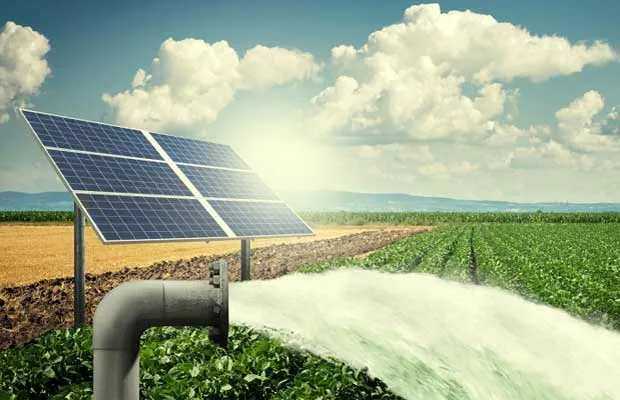

Water is one of the most important resources for farming. Without proper water supply, crops cannot grow well. Many farmers still depend on diesel or electric pumps to irrigate their fields. However, these traditional methods can be costly, unreliable, and harmful to the environment. This is where solar water pumps are becoming a powerful solution.
Solar water pumps use sunlight to draw water from sources like wells, rivers, and ponds. They are clean, efficient, and cost-effective over time. In this article, we will understand how solar water pumps improve irrigation and water management in a simple and practical way.
What Are Solar Water Pumps?
Solar water pumps are devices that use energy from the sun to pump water. They work with the help of solar panels that convert sunlight into electricity. This electricity powers a motor, which then pumps water.
There are mainly two types of solar water pumps:
1. Surface Pumps
These pumps are used when the water source is near the surface, such as a pond, lake, or shallow well.
2. Submersible Pumps
These are placed inside deep wells or boreholes. They are useful when water needs to be lifted from greater depths.
Both types are helpful for irrigation, livestock watering, and even drinking water supply in rural areas.
Why Farmers Need Better Irrigation Solutions
Many farmers face problems related to water availability and irrigation systems. Some common issues include:
- High fuel costs for diesel pumps
- Unreliable electricity supply
- Overuse of groundwater
- Uneven water distribution
- Increased labor effort
These problems reduce crop productivity and increase farming costs. A better system is needed to manage water efficiently, and solar water pumps provide a strong solution.
How Solar Water Pumps Improve Irrigation
1. Reliable Water Supply
Solar water pumps work during the day when sunlight is available. This ensures a regular supply of water without depending on electricity or fuel.
Farmers do not have to wait for power cuts to end or worry about fuel availability. As long as the sun is shining, water can be pumped easily.
2. Cost Savings Over Time
Although the initial setup cost may be higher, solar water pumps help save money in the long run.
- No fuel cost
- Low maintenance cost
- Long lifespan of equipment
Diesel pumps require regular fuel and maintenance, which adds up over time. Solar pumps, on the other hand, reduce these expenses significantly.
3. Environment-Friendly Solution
Solar water pumps use clean energy from the sun. They do not produce pollution or harmful gases.
This helps in:
- Reducing carbon emissions
- Protecting the environment
- Promoting sustainable farming
Using solar energy also reduces the dependency on fossil fuels.
4. Efficient Water Use
Solar water pumps can be combined with modern irrigation methods such as:
- Drip irrigation
- Sprinkler systems
These methods deliver water directly to plant roots, reducing wastage. This ensures that crops get the right amount of water without overuse.
5. Better Crop Yield
When crops receive proper and timely irrigation, their growth improves. Solar water pumps help farmers irrigate their fields regularly, which leads to:
- Healthy plant growth
- Higher crop production
- Better quality produce
This directly increases farmers income and improves their livelihoods.
Role in Water Management
Water management is not just about using water; it is about using it wisely. Solar water pumps play an important role in managing water efficiently.
1. Controlled Water Usage
Solar pumps can be used with timers and sensors. This allows farmers to control when and how much water is used.
For example:
- Water can be pumped only during specific hours
- Soil moisture sensors can prevent overwatering
This reduces water wastage and protects natural resources.
2. Reduced Groundwater Depletion
Traditional pumps often lead to over-extraction of groundwater. Solar water pumps, when used wisely, help in controlled water usage.
Farmers can combine them with rainwater harvesting systems to recharge groundwater levels.
3. Storage and Distribution
Solar water pumps can fill storage tanks during the day. This stored water can be used later when needed.
Benefits include:
- Water availability at all times
- Reduced pressure on water sources
- Better planning of irrigation
4. Suitable for Remote Areas
Many rural areas do not have proper electricity connections. Solar water pumps are ideal for such places because they do not require grid power.
This makes irrigation possible even in remote villages, improving agricultural development.
Advantages of Solar Water Pumps
Here are some key benefits of using solar water pumps:
1. Low Operating Cost
Once installed, they require very little money to operate.
2. Easy Installation
They can be installed in farms, fields, and rural areas without much difficulty.
3. Long Lifespan
Solar panels can last for 2025 years with proper care.
4. Minimal Maintenance
They require less maintenance compared to diesel pumps.
5. Energy Independence
Farmers are not dependent on electricity or fuel supply.
Challenges and Solutions
While solar water pumps offer many benefits, there are some challenges as well.
1. High Initial Cost
The upfront cost of solar systems can be high for small farmers.
Solution:
Government subsidies and financial schemes can help reduce the cost. Many countries offer support programs for solar irrigation.
2. Weather Dependence
Solar pumps depend on sunlight. Cloudy days may reduce efficiency.
Solution:
Using battery storage or water storage tanks can help manage this issue.
3. Limited Awareness
Some farmers are not aware of the benefits of solar water pumps.
Solution:
Awareness programs and training can help farmers understand how to use these systems effectively.
Government Support and Initiatives
Many governments are promoting solar water pumps to support farmers and improve agriculture.
Some common initiatives include:
- Subsidies for solar pump installation
- Loans with low interest rates
- Training programs for farmers
- Support for solar irrigation projects
These efforts make it easier for farmers to switch to solar-powered solutions.
Best Practices for Using Solar Water Pumps
To get the best results, farmers should follow some simple practices:
1. Choose the Right Pump
Select a pump based on water depth, land size, and crop needs.
2. Maintain Solar Panels
Keep panels clean and free from dust for better performance.
3. Use Efficient Irrigation Methods
Combine solar pumps with drip or sprinkler systems.
4. Monitor Water Usage
Avoid overwatering to save water and energy.
5. Store Water Properly
Use tanks to store water for later use.
Future of Solar Irrigation
The future of agriculture is moving towards sustainable and smart solutions. Solar water pumps are a key part of this change.
With advancements in technology, solar systems are becoming more efficient and affordable. Features like smart sensors, automation, and remote monitoring are improving water management even further.
In the coming years, more farmers are expected to adopt solar irrigation systems. This will lead to:
- Better crop production
- Improved water conservation
- Reduced environmental impact
Conclusion
Solar water pumps are transforming the way farmers manage irrigation and water resources. They provide a reliable, cost-effective, and eco-friendly solution for agriculture. By using solar energy, farmers can reduce expenses, improve crop yield, and conserve water.
These systems are especially useful in areas with limited electricity access, making them a practical choice for rural development. With proper planning and support, solar irrigation can play a major role in sustainable farming.
If you are looking to adopt this technology, solutions offered by Solar Prabha can help you move towards efficient and smart irrigation.